Study in Ireland: A Guide for African Students

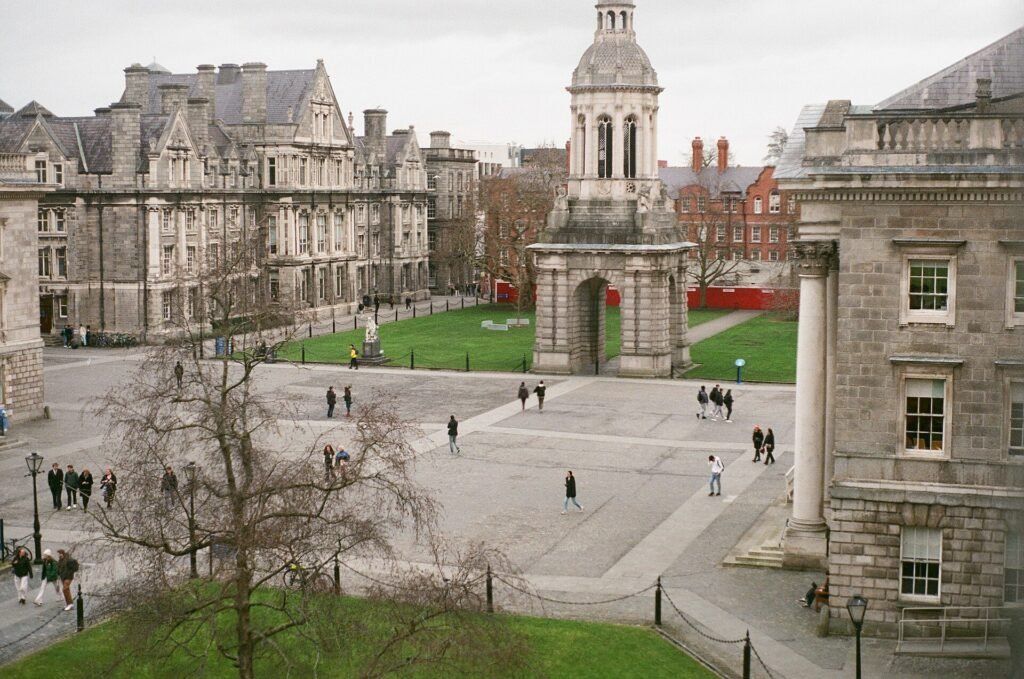
African students who study in Ireland join an English-speaking country in the European Union with a large technology and pharmaceutical sector. Ireland offers one-year master’s degrees and a clear graduate work permission, but tuition and housing are expensive.
This guide covers admission, the study visa, finances, work rules and funding.
Quick answer: You need an offer for a full-time course on Ireland’s list of eligible programmes, evidence that fees are paid, proof of living funds, private medical insurance and a study visa if your nationality requires one. After arrival you must register your immigration permission.
How the Irish System Works
- Universities and technological universities award bachelor’s, master’s and doctoral degrees
- Honours bachelor’s degrees usually take three to four years
- Taught master’s degrees usually take one year
- Qualifications sit on the National Framework of Qualifications
International students can only get immigration permission for courses on the Interim List of Eligible Programmes. Check the list before you accept an offer from any college.
Admission Requirements
- Transcripts and certificates
- English test results accepted by the institution
- A personal statement
- References
- A research proposal for research degrees
Non-EU applicants usually apply directly to the institution’s international office.
Study Visa and Finances
Citizens of most African countries need a study visa to enter Ireland. Applications are made online and supported by documents submitted to the visa office or application centre.
Typical requirements include:
- A letter of acceptance for a full-time eligible course
- Evidence that course fees have been paid, usually at least €6,000 or the full fee if it is lower
- Evidence of access to at least €10,000 for living costs for each year of study
- Private medical insurance
- Academic records and English test results
- An explanation of any gaps in your education
These figures were current guidance at the time of review. Confirm the amounts on the Irish Immigration Service website before you apply. Bank statements must be clear and recent, and the source of large deposits should be explained.
After You Arrive
A visa only allows you to travel to Ireland. Within the period stated by immigration, you must register and receive an Irish Residence Permit. Degree students are normally given Stamp 2 permission.
Working During and After Study
Stamp 2 holders on eligible courses can work up to 20 hours a week during term and up to 40 hours a week during the set holiday periods, which run from June to September and from 15 December to 15 January.
After graduation, the Third Level Graduate Programme gives Stamp 1G permission to look for work. It is normally granted for 12 months, and graduates with a master’s degree or higher can usually renew it for a further 12 months.
Scholarships for African Students
- Government of Ireland International Education Scholarships
- The Ireland Fellows Programme, which funds master’s study for applicants from eligible African countries
- University scholarships and fee reductions for international students
Eligible countries for the Ireland Fellows Programme are set each year by the Department of Foreign Affairs. Prepare early using the scholarship application timeline.
Common Mistakes
- Accepting a course that is not on the eligible programmes list
- Submitting bank statements with unexplained deposits
- Leaving education gaps unexplained
- Arriving without accommodation arranged
- Missing the immigration registration deadline
Frequently Asked Questions
Is accommodation hard to find?
Yes, particularly in Dublin. Start searching as soon as you have an offer and use only verified channels.
Can I bring my family?
Students generally have no automatic right to bring family members. Dependants must qualify for their own permission.
Does an Irish visa let me travel in the Schengen Area?
No. Ireland is not part of the Schengen Area.
Your Next Step
Confirm that your course is on the eligible programmes list, then plan fee payments and living funds. Protect yourself from fake agents by reading our guide to scholarship scams.
Sources
- Irish Immigration Service: coming to study in Ireland
- Irish Immigration Service: immigration permission stamps
- Education in Ireland
Reviewed: 2 October 2026. Financial thresholds and immigration rules change. Confirm current requirements with the Irish Immigration Service.
Featured image: Front Square of Trinity College Dublin by Adam McGrath, CC BY-SA 4.0, via Wikimedia Commons (resized).


Responses