Study in the UK: A Guide for African Students

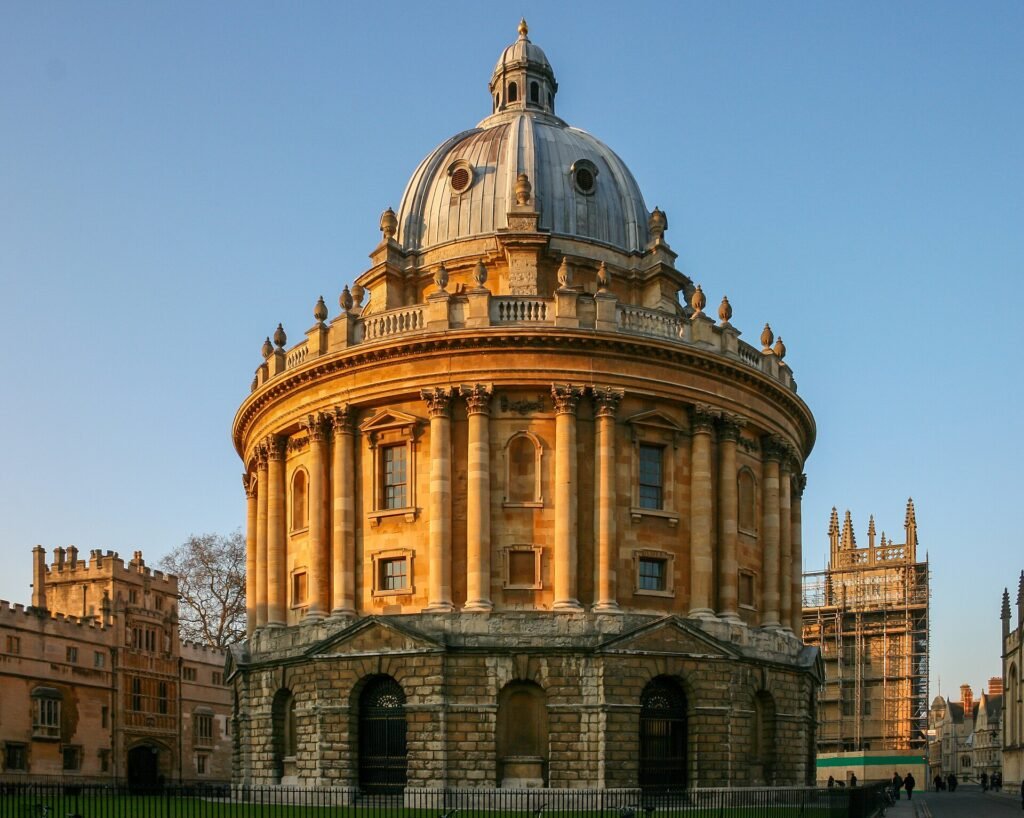
Students choose to study in the UK for its short degrees, well-known universities and established scholarship programs for African applicants. A bachelor’s degree usually takes three years and a taught master’s one year, which reduces living costs compared with longer programs elsewhere.
This guide explains admission, the Student visa, the money you must show, funding and post-study work.
Quick answer: You need an unconditional offer and a Confirmation of Acceptance for Studies (CAS) from a licensed sponsor, proof of tuition and living funds held for 28 days, and a Student visa application made up to six months before your course starts.
How the UK System Works
- Undergraduate applications go through UCAS
- Postgraduate applications go directly to the university
- Bachelor’s degrees usually take three years, or four in Scotland
- Taught master’s degrees usually take one year
- Doctorates usually take three to four years
Only universities that hold a student sponsor licence can issue a CAS. Check the register of licensed sponsors before accepting an offer.
Admission Requirements
- Academic transcripts and certificates
- A personal statement
- References
- Evidence of English ability accepted by the university
- A research proposal for research degrees
Some universities ask international students for a tuition deposit before they issue the CAS.
Student Visa Requirements
At the time of review, the Student visa application fee from outside the UK is £558. You also pay the immigration health surcharge for each year of your visa, which gives access to the National Health Service.
You must show enough money for:
- Your first year of course fees, less anything already paid
- Living costs of £1,529 a month for courses in London, for up to nine months
- Living costs of £1,171 a month for courses outside London, for up to nine months
The money must be held for at least 28 consecutive days, and the end of that period must fall within 31 days of your application date. Applicants from many African countries also need a tuberculosis test certificate from an approved clinic.
Visa Steps
- Accept your offer and meet any conditions.
- Receive your CAS and check the details.
- Hold the required funds for 28 days.
- Take the tuberculosis test if required.
- Apply online, pay the fee and the health surcharge.
- Attend the visa application centre for biometrics.
Decisions for applications made outside the UK usually take about three weeks.
Working During and After Study
Degree-level students can usually work up to 20 hours a week during term and full-time during official holidays. You cannot be self-employed or work as a professional sportsperson.
Since January 2024, most taught students cannot bring dependants. The main exceptions are postgraduate research courses and some government-funded scholarships.
The Graduate visa lets you stay and work after your degree. It lasts two years if you apply on or before 31 December 2026 and 18 months if you apply on or after 1 January 2027. Doctoral graduates receive three years.
Scholarships for African Students
- Chevening Scholarships for one-year master’s degrees
- Commonwealth Scholarships for citizens of eligible Commonwealth countries
- GREAT Scholarships at participating universities
- University scholarships and fee discounts
Most have deadlines many months before the course begins. Prepare with the scholarship interview questions guide and the essay guide.
Common Mistakes
- Moving money before the 28-day period ends
- Using bank statements that are too old on the application date
- Accepting an offer from an unlicensed institution
- Planning to bring family on a course that does not allow dependants
- Paying a deposit to an agent instead of the university
Frequently Asked Questions
Do I need IELTS?
Universities decide how they assess English for degree-level study. Some accept other tests or prior study in English. Check your offer.
Can I switch to a work visa?
Graduates can apply for the Graduate visa or, with a qualifying job offer, a Skilled Worker visa. Rules and salary thresholds change, so check before you rely on a plan.
How much does the health surcharge cost?
The rate is set per year of your visa and students pay a reduced rate. Use the official calculator for the current amount.
Your Next Step
Shortlist licensed universities, note scholarship deadlines and plan when your funds must be in place. Confirm what you qualify for with the scholarship eligibility checks.
Sources
- GOV.UK: Student visa
- GOV.UK: Student visa money requirements
- GOV.UK: Graduate visa
- Chevening Scholarships
- Commonwealth Scholarship Commission
Reviewed: 2 October 2026. Fees and immigration rules change. Confirm current requirements on GOV.UK before applying.
Featured image: Radcliffe Camera, Oxford. Photograph by Mike Peel (www.mikepeel.net), CC BY-SA 4.0, via Wikimedia Commons (resized).



Responses